
Source and safety
Identify whether water came from plumbing, weather or a contaminated source before choosing the work sequence.
Service guide · Dallas
Call to describe where the water came from, how much is visible and which rooms are affected. Ask how hidden moisture will be located and what comes after extraction.
Call Now(269) 461-9782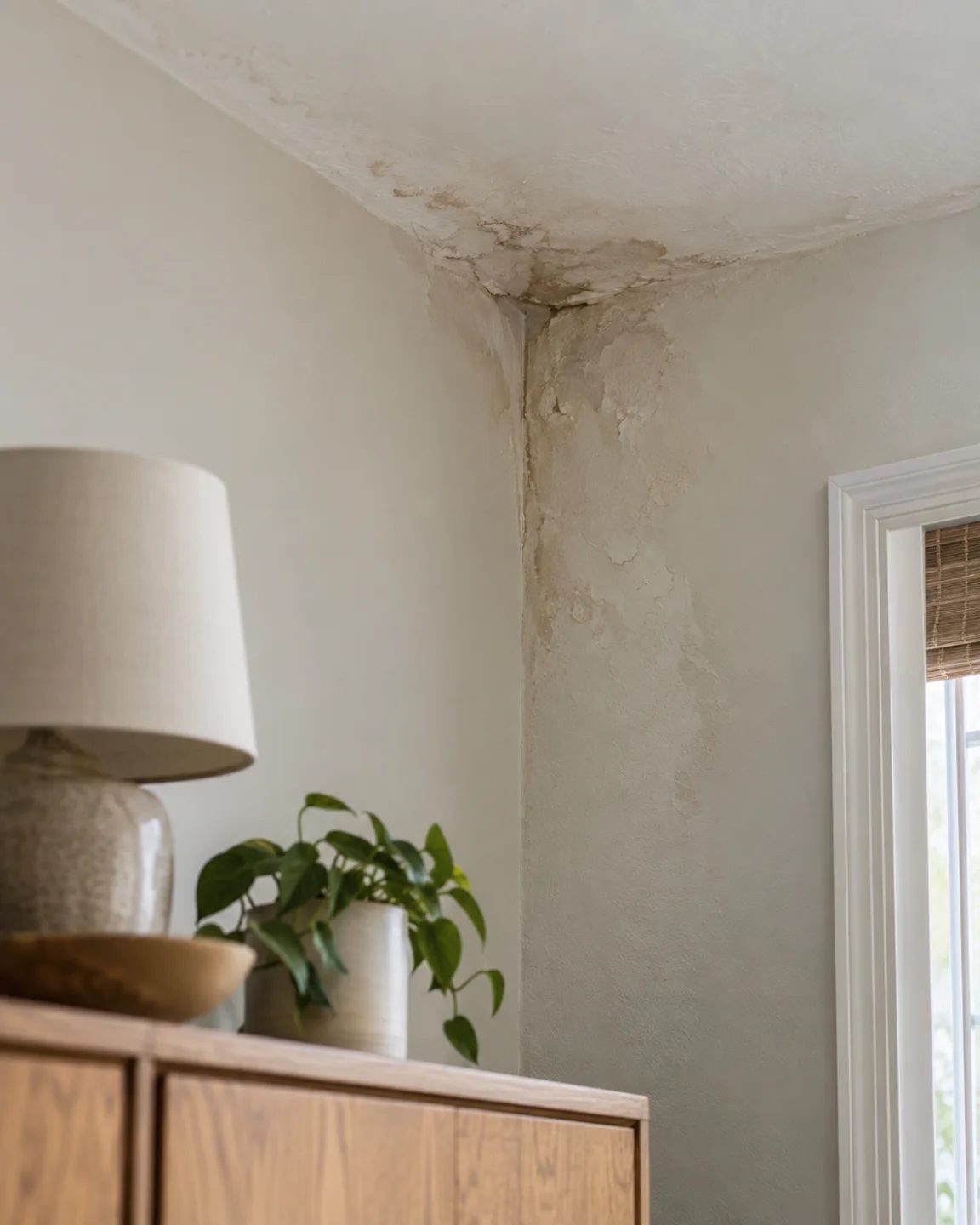
A useful first call
Share the complete address and what happened at the property.
Know which business may assess or perform the work.
Review scope, timing, price, exclusions and change terms.
01 · Scope the work
Ask what will be assessed, performed and documented before you authorize work.
Identify whether water came from plumbing, weather or a contaminated source before choosing the work sequence.
Explain access, extraction and which contents or finishes need to move.
Check floors, walls, cabinets and nearby rooms instead of judging only by the surface.
02 · Process
A clear process separates the incident, assessment, work sequence and records.
Share the source, time discovered, affected rooms and any safety concerns.
Distinguish visible water from moisture held in floors, walls, cabinets and cavities.
Separate source control, extraction, drying, monitoring, cleanup and repair.
Keep the written scope, readings, photos, receipts and change approvals together.
Before you authorize the work
03 · Questions
No universal answer replaces an assessment of the actual property.
Not necessarily. Extraction removes bulk water; drying and monitoring may still be needed for wet materials and concealed spaces.
The source, affected area, materials, access, contamination risk and the amount of moisture that remains all matter.
Yes. Photograph conditions when safe, keep receipts, and ask for a written scope and moisture records.